
History
Updated on 20/11/2025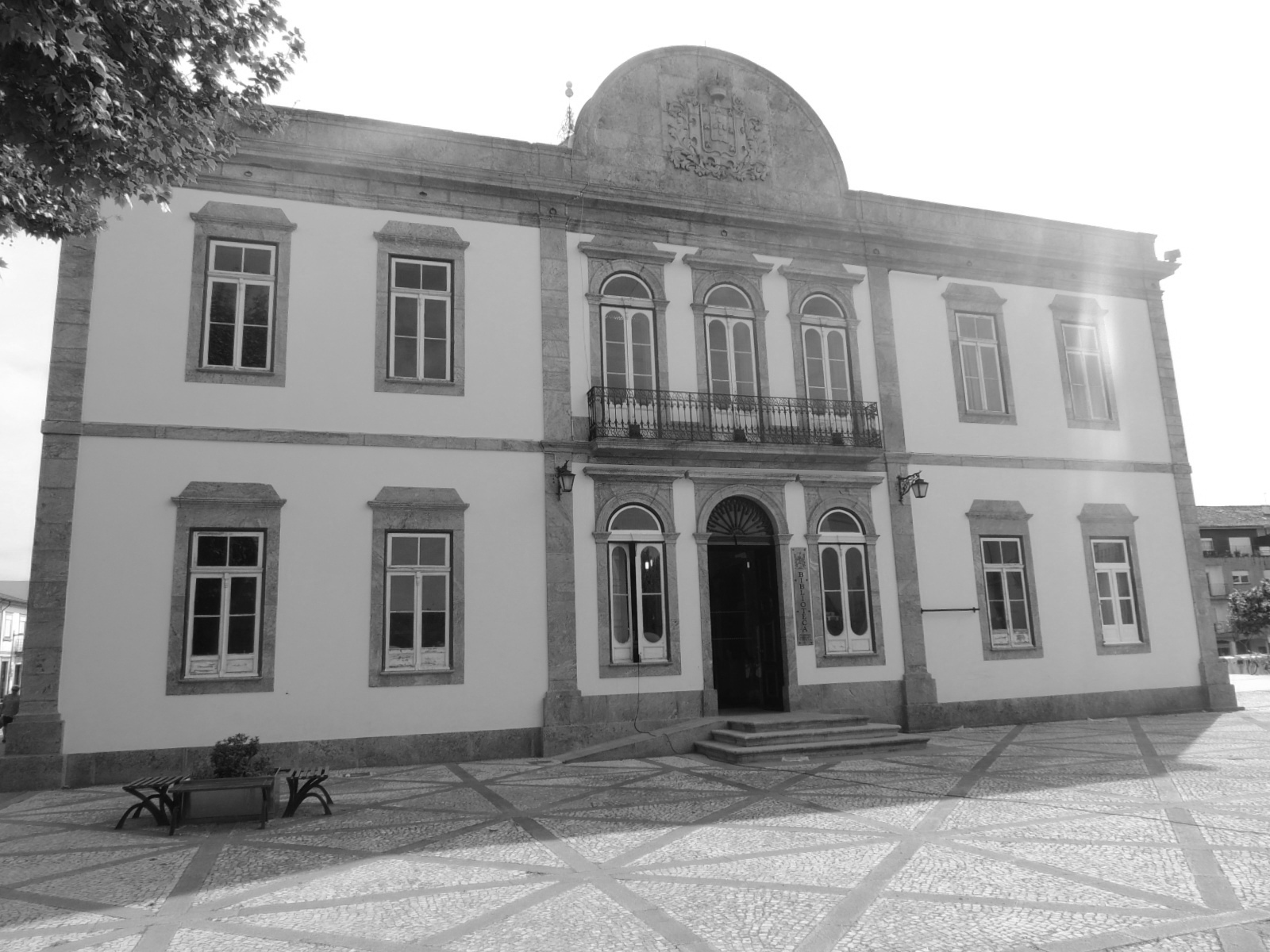
In the 1980s, the Municipality of Vila Verde approved a cultural action plan outlining the main guidelines for medium- and long-term cultural initiatives.
In 1985, the Town Hall began operating in its new building, leaving the old premises available. At that time, the idea of creating a Municipal Library emerged, aiming to support the local population in reading and providing an effective alternative to the traveling library service of the Calouste Gulbenkian Foundation, which visited the municipality once a month.
In April 1986, the Vila Verde Municipal Library was inaugurated in the former Town Hall building, opening its services to all readers and potential readers, fulfilling the important mission of public reading in the community.
In 1987, the Vila Verde City Council had its proposal to join the National Network of Public Reading approved, allowing the municipality to recover and adapt the old Town Hall building for the library. That same year, a program contract was signed between the Municipality of Vila Verde and the Portuguese Institute of Books and Reading (IPLL).
Also in 1987, the Municipal Library of Vila Verde received a special private law library as a donation from the distinguished Professor Doctor Álvaro da Costa Machado Vilela, a native of the municipality, renowned Professor at the University of Coimbra specializing in International Law, and esteemed Judge. This greatly enhanced the bibliographic heritage of the library.
In 1991, due to renovation and adaptation work on the old Town Hall building, the library services were temporarily relocated to the ground floor of the current Town Hall building.
On December 4, 1995, it was unanimously decided in a regular City Council meeting to name the library Prof. Machado Vilela Municipal Library.
On December 16, 1995, the library was inaugurated in its current space, designed to fulfill the principles expressed in the UNESCO Public Library Manifesto.
It is noteworthy that the Prof. Machado Vilela Library was the first Portuguese library to join the UNESCO model library network. This network encourages libraries open to the public to carry out activities aligned with UNESCO’s goals, such as promoting human rights and peace, cultural dialogue, environmental protection, and combating illiteracy.