
Presentation
Updated on 27/11/2025
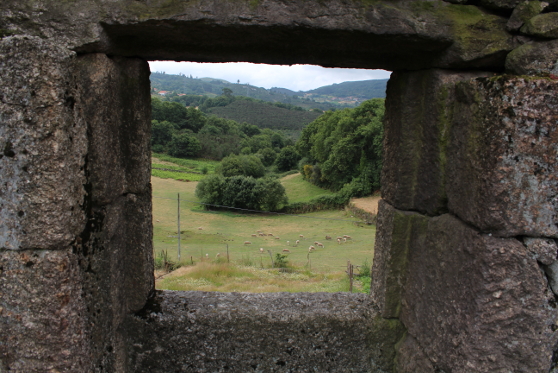
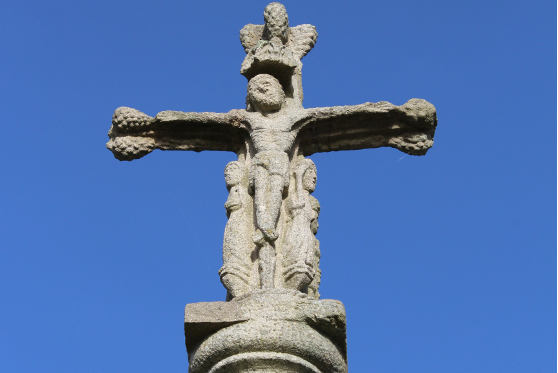
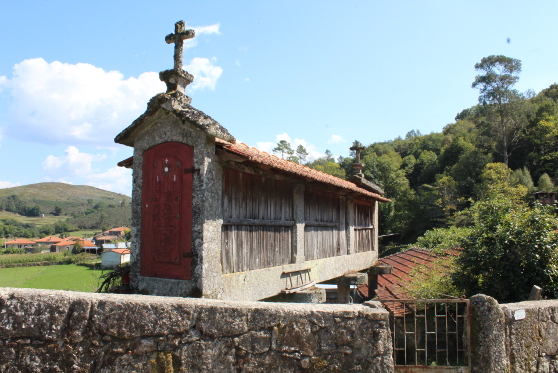
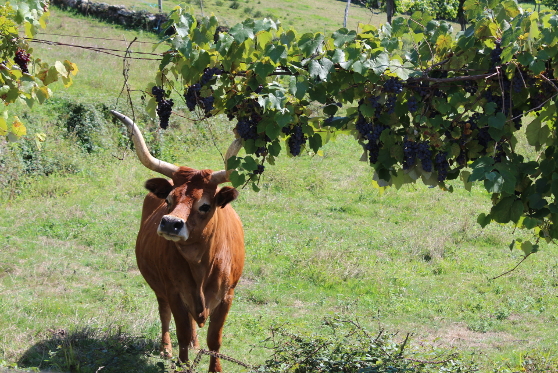
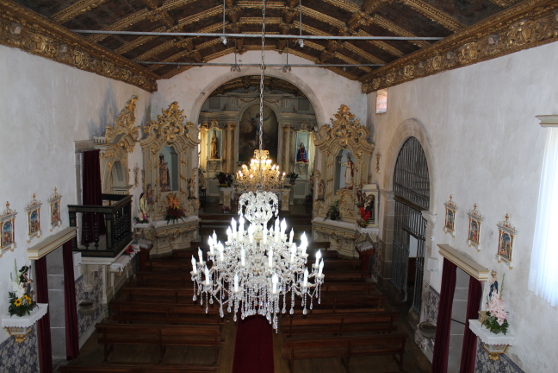
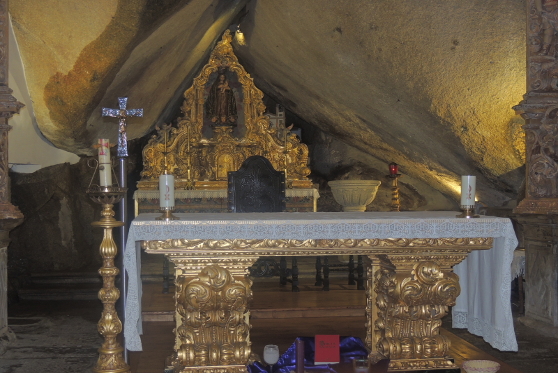
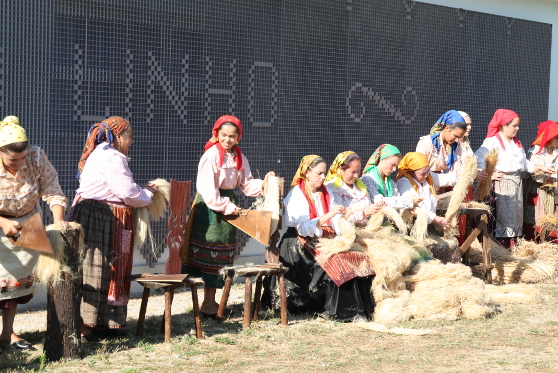
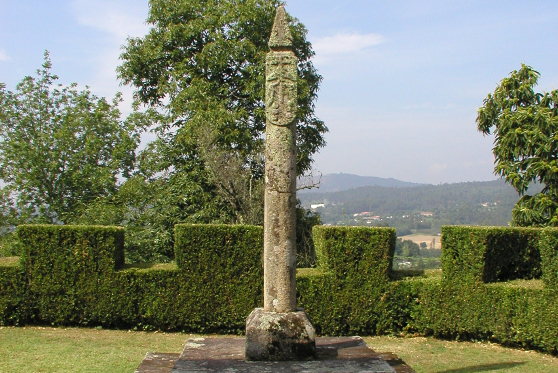
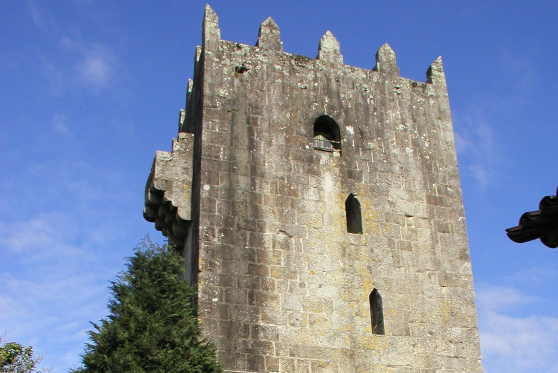
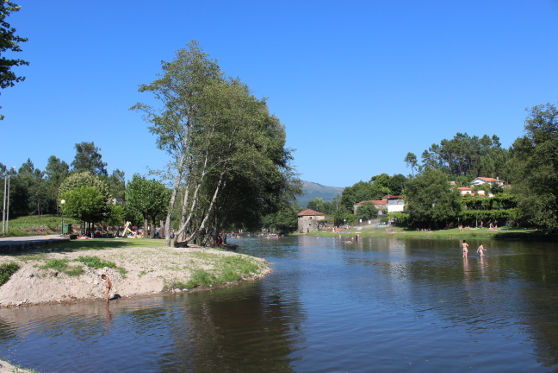
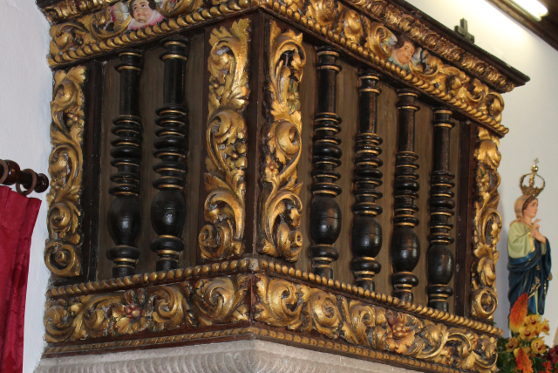
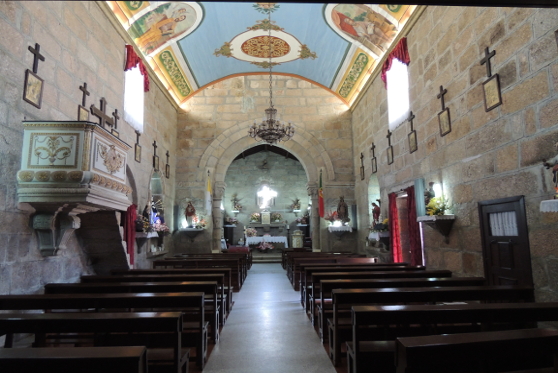

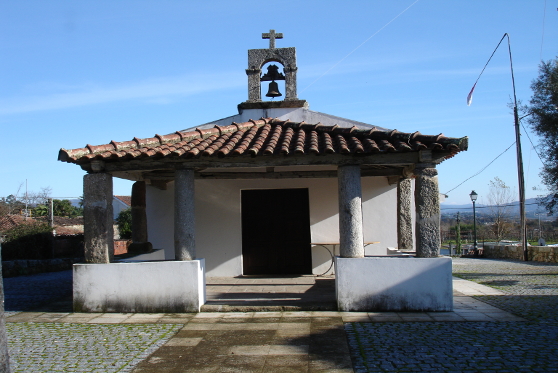
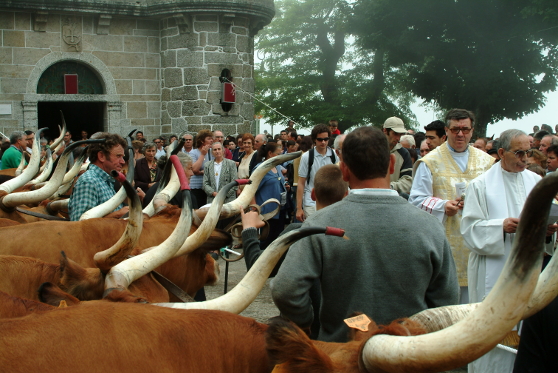
The municipality of Vila Verde, due to its antiquity and cultural richness, possesses a vast heritage reflected in its archaeological remains, civil and religious architecture, typical rural ensembles, ethnographic aspects of popular culture, handicrafts, traditional gastronomy, lush landscapes, and the rivers that cross it.
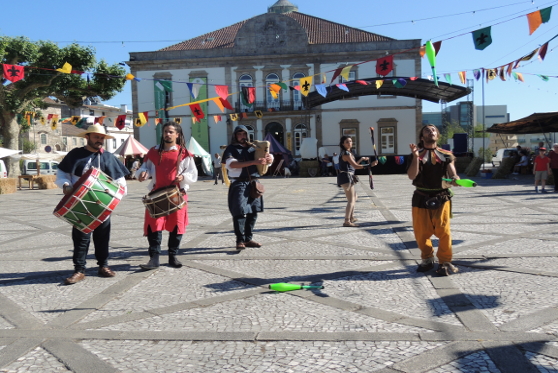
Festivals and pilgrimages are among the many expressions of the religiosity of its inhabitants. They are characterized by both religious and pagan manifestations, which coexist harmoniously and complement each other. Around one hundred and fifty of these festive and religious events take place throughout the year in the chapels and churches of the municipality, showcasing the dynamism and devotion of a people committed to preserving their cultural heritage and passing down ways of life and traditions to new generations.
Weekly, biweekly, monthly, and annual fairs, cultural events, and various thematic exhibitions highlight the strong commitment to the cultural, social, and economic development of the region. Handicrafts are increasingly prominent in the municipality, valued for their growing economic importance, preservation of ancestral production techniques, and innovation in the design of other products.
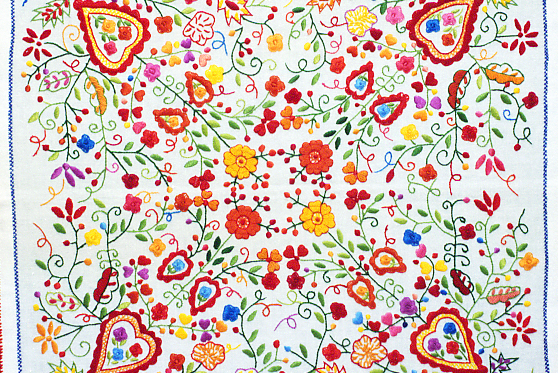
The Lenços de Namorados, true emblems of this land, linen products, rag weaving, wooden miniatures and toys, ox yokes and harnesses, musical instruments, pottery, hand-painted ceramics, and granite pieces are some of the municipality’s notable artisanal products. The natural heritage offers numerous leisure activities, including hiking, jeep tours, cycling (mountain biking), and hunting.
The Cávado and Homem rivers provide excellent conditions for canoeing and sport fishing, with beautiful river beaches along their banks. When visiting Vila Verde, engage with its people by staying in a family-friendly environment in rural tourism accommodations and enjoy the knowledge and flavors of its traditional gastronomy, including the famous Pudim Abade de Priscos, created by the renowned “Papa dos Cozinheiros” – the Abade de Priscos, a native of the parish of Turiz, celebrated for his culinary skills.